Quick Answer
AI automates unscheduled treatment follow-up in dental practices by identifying patients with approved pre-authorizations or recommended treatment that was never booked and reaching out to them automatically by phone or text. The AI offers appointment times, answers basic questions, and books the patient directly into the schedule. This recovers production that would otherwise sit dormant in the practice management system indefinitely.
Every dental practice has production hiding in its practice management system. Treatment that was recommended but never scheduled. Pre-authorizations that came back approved but the patient never called to book. Insurance that was verified for a procedure that the patient has not followed through on.
This is not lost revenue in the traditional sense. The patients are still in the system. The treatment is still recommended. The insurance approval is still valid. But without someone actively reaching out, that production stays dormant. And in most practices, nobody has time to actively reach out.
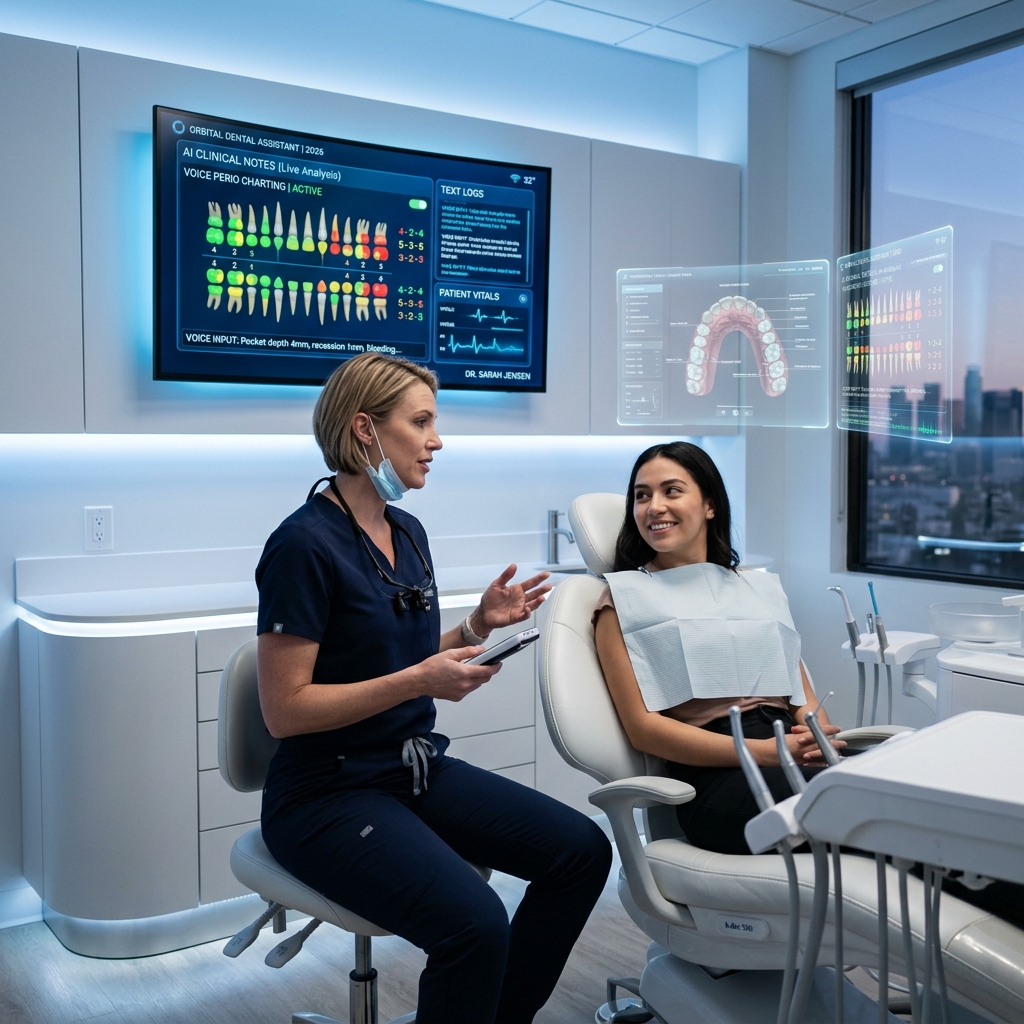
AI proactively identifies and follows up on approved treatment plans to ensure patients get the care they need.
How Much Unscheduled Treatment Is Sitting in the Average Practice?
The numbers vary by practice size and specialty, but the amount is almost always larger than the practice owner expects. A general dental practice with two to three providers can easily have $50,000 to $200,000 in unscheduled treatment on the books at any given time. That includes crowns, restorative work, periodontal treatment, and other procedures that were diagnosed and discussed but never booked.
For pre-authorizations specifically, the gap is even more frustrating. The practice already did the work of submitting the pre-auth. The insurance company approved it. The patient was informed. And then nothing happened. The approval has a shelf life. If nobody follows up, it expires and the work starts over.
Why Does Treatment Go Unscheduled?
The reasons are rarely about the patient refusing treatment. More often, the patient intended to book but life got in the way. They left the office planning to call back when they had their calendar in front of them. They forgot. Weeks turned into months. The treatment that felt important in the operatory became just another thing on the to-do list.
A smaller percentage of patients have financial concerns or want to think about it. These patients are not lost either. They just need a follow-up conversation at the right time, with the right framing, to move forward.
How Does AI Automate This Follow-Up?
The AI identifies patients with unscheduled treatment or approved pre-authorizations in the practice management system and reaches out automatically. The outreach can happen by phone call or text depending on the practice's configuration and the patient's communication preferences.
When the AI calls, it references the specific treatment or approval and offers to schedule an appointment. If the patient is ready, the AI books the appointment in real time. If the patient has questions, the AI handles routine inquiries and routes complex ones to the clinical team. If the patient is not ready, they are noted for a follow-up attempt at a later date.
The front desk does not need to pull a report, work a list, or make a single call. The system handles the outreach on an ongoing basis, cycling through patients with unscheduled treatment according to the parameters the practice sets.
What Does This Look Like for Pre-Authorization Follow-Up Specifically?
A pre-auth is submitted for a crown on tooth number 14. The insurance company approves it two weeks later. The approval sits in the system. In most practices, someone on the front desk might notice it and call the patient. Or they might not. The daily workload often pushes these follow-ups to the bottom of the priority list.
With AI automation, the moment the pre-auth status is updated, the follow-up sequence begins. The AI calls the patient, lets them know the insurance has approved the procedure, and offers to book the appointment. The patient confirms, the appointment is on the schedule, and the production that was at risk of expiring is now committed.
How Much Revenue Can This Recover?
Even converting a small percentage of unscheduled treatment into booked appointments moves the needle significantly. If a practice has $100,000 in unscheduled treatment and AI outreach converts 15 to 20 percent of it over the course of a quarter, that is $15,000 to $20,000 in recovered production from patients who were already in the system and already had treatment recommended.
The cost of the outreach is negligible compared to the production it recovers. The AI makes the calls. The patients book. The practice captures revenue that was otherwise going to sit untouched.
Stop Leaving Production on the Table
Book a free demo and we will walk you through exactly how PatientXpress works inside your practice. No pressure. Just a real look at what it can do for your team.
Book Your Free DemoQuestions first? Call us at (949) 542-6773 or visit www.patientxpress.us/try-our-ai